




Stocktwits CDIO: How to Read CDIO Stock Sentiment
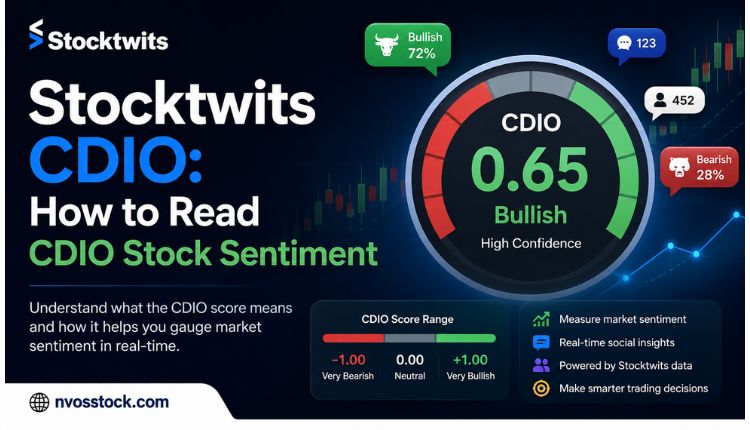
If you’ve searched “Stocktwits CDIO,” you’re probably trying to figure out what the trading crowd thinks about Cardio Diagnostics Holdings (NASDAQ: CDIO) before you make a move. That’s exactly what Stocktwits is built for — a live feed of bullish and bearish takes, message volume spikes, and watcher counts that shift by the hour.
CDIO is a small biotech, and small biotechs move on chatter almost as much as they move on data. A single headline can send the message board into overdrive. This guide walks through what CDIO actually is, how Stocktwits sentiment works for a stock like this, and how to use that sentiment without letting it make your decisions for you.
What Is CDIO Stock?
Cardio Diagnostics Holdings trades under the ticker CDIO on the Nasdaq. The company builds AI-driven blood tests for cardiovascular disease, combining genetic and epigenetic markers to flag risk earlier than a standard cholesterol panel. Its two flagship products are Epi+Gen CHD, a three-year coronary heart disease risk test, and PrecisionCHD, which pairs genetic and epigenetic data to detect coronary heart disease, including cases that don’t show up on a normal angiogram.
The company is based in Chicago and has been chasing reimbursement milestones and health-system partnerships as it tries to move its testing from pilot programs into everyday clinical use. That’s the backdrop for most of what shows up on the CDIO Stocktwits stream: FDA and CMS updates, new hospital or telehealth partnerships, patent news, and the occasional capital raise or reverse split that rattles the share count.
Quick CDIO Snapshot
| Detail | Information |
| Ticker | CDIO |
| Exchange | Nasdaq Capital Market |
| Sector / Industry | Healthcare — Biotechnology |
| Core products | Epi+Gen CHD, PrecisionCHD, HeartRisk, CardioInnovate360 |
| Headquarters | Chicago, Illinois |
| Founded | 2017 |
| What moves the stock | Reimbursement decisions, clinical partnerships, patent grants, share structure changes |
Prices, market cap, and share count on a stock like this can shift fast, especially after a reverse split or a funding round, so always pull the live quote from your broker or Stocktwits before acting on anything here.
What Stocktwits Actually Shows You
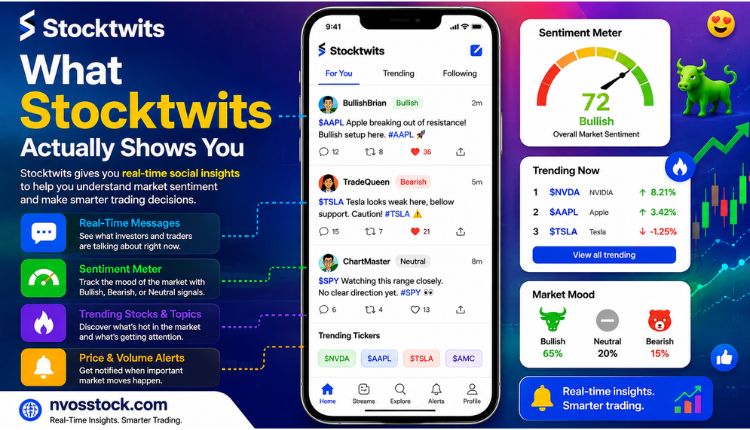
Stocktwits is a social platform built specifically around tickers rather than general topics. Every post gets tagged to a symbol, so the CDIO page collects every public message about the stock in one place. A few things are worth understanding before you treat that feed as a signal:
- Sentiment tags: Users can label a post “Bullish” or “Bearish,” and the platform tallies these into a rough mood gauge for the stock.
- Message volume: A sudden jump in posts often lines up with news, a halt, or a big intraday move — volume itself is a signal, separate from whether the mood is positive or negative.
- Watcher count: This tracks how many accounts follow the symbol. For a micro-cap like CDIO, a rising watcher count usually means the stock just landed on more people’s radar, often after a press release or a mention elsewhere.
- Low float amplification: CDIO has a small public float. On thin float stocks, a handful of active posters can make sentiment look more one-sided than the actual shareholder base.
None of this replaces a 10-Q or a company filing. It’s a read on mood, not on fundamentals.
Why Traders Watch CDIO on Stocktwits Specifically
Biotech names with a small float and a binary-ish news catalyst (a reimbursement decision, a trial result, an FDA interaction) tend to attract exactly the kind of fast, reactive posting that Stocktwits is designed to surface. A few patterns show up repeatedly on the CDIO board:
- Pre-market reaction to news: Reimbursement or partnership headlines from Cardio Diagnostics tend to generate a burst of posts before the opening bell, well ahead of when slower financial news sites publish full coverage.
- Reverse split discussion: CDIO has gone through share structure changes before, and these always spark heavy debate about dilution and float, since they directly change what a “cheap” or “expensive” share price actually means.
- Comparisons to peers: Posters frequently stack CDIO against other small diagnostics and biotech names, similar to how our NVOS stock coverage tracks Novo Integrated Sciences against its own peer set.
Using Stocktwits Sentiment Without Getting Played by It
Sentiment feeds are useful for spotting when something is happening, not necessarily why it’s happening or whether it’s justified. A healthier way to use the CDIO Stocktwits page:
- Treat a bullish or bearish spike as a prompt to go find the underlying news, not as the news itself.
- Cross-check message volume against actual trading volume. If posts are surging but shares traded aren’t, the move may be more noise than substance.
- Watch for repeated accounts driving the sentiment swing. On a low-float name, three or four active posters can look like a crowd.
- Compare it with how sentiment played out on similar tickers, like TRKA Stocktwits or GNS Stocktwits, where message-board mood also ran well ahead of the actual news cycle.
CDIO vs. Other Small-Cap Stocktwits Boards
| Ticker | Sector | Typical Catalyst | Float Size |
| CDIO (Cardio Diagnostics) | Biotech / Diagnostics | Reimbursement, clinical partnerships | Small |
| TRKA (Troika Media) | Media / Marketing | Restructuring, business updates | Small |
| GNS (Genius Group) | Education Technology | Corporate actions, crypto treasury news | Small |
| NVOS (Novo Integrated Sciences) | Health & Wellness | Operational updates, financing | Small |
If you’re tracking more than one of these boards, it helps to read them side by side rather than in isolation — sentiment on thinly traded healthcare names tends to move in similar patterns, which is why we also cover NVOS on Stocktwits and keep an eye on names like Dpststock for comparison.
A Word of Caution on Micro-Cap Biotech Sentiment
CDIO is a micro-cap. That means low liquidity, a small number of active shares, and a share price that can swing hard on modest volume.
Message-board sentiment on stocks like this can be genuinely useful for spotting news early, but it can also be shaped by a small group of very active posters, promotional content, or straightforward hype. None of the information here is investment advice — always verify claims against company filings and current, verified pricing data before trading.
FAQs
What does “bullish” or “bearish” mean on the CDIO Stocktwits page?
It’s a self-reported mood tag. A user posting about CDIO can mark their message as Bullish (expecting the price to rise) or Bearish (expecting it to fall). Stocktwits aggregates these tags into an overall sentiment reading for the stock.
Is Stocktwits sentiment a reliable way to trade CDIO?
On its own, no. It’s a real-time pulse on what traders are saying, not a verified analysis of the company’s fundamentals. Use it alongside official filings, analyst coverage, and price/volume data rather than as a standalone signal.
Why does CDIO get so much Stocktwits activity for such a small company?
Its small float means price moves can be sharp, and it operates in a newsy sector — clinical diagnostics — where FDA, CMS, and partnership headlines land often enough to keep the board active.
Where can I check the current CDIO stock price?
Stocktwits shows a live quote alongside the message feed, and it’s also available through your broker, Nasdaq’s site, or major finance platforms. Given how fast small-cap prices can move, always check a live source rather than relying on an older figure.
How is CDIO different from NVOS on Stocktwits?
Both are small-cap healthcare-adjacent names that get active retail attention, but they operate in different niches — CDIO in cardiovascular diagnostics, NVOS in integrated health and wellness services. Our NVOS stock overview breaks down that company’s specific catalysts if you want the comparison.
Conclusion
Stocktwits CDIO gives you a fast read on how the trading crowd is reacting to Cardio Diagnostics news in real time, from reimbursement updates to share structure changes.
It’s genuinely useful for catching a catalyst early or gauging how much attention a name is getting. It’s not a substitute for reading the actual filing or press release behind the noise. Use the sentiment feed to know when to dig deeper, then verify what you find against real data before you size a trade around it.