



VENG Stock Forecast 2026: Price Outlook & Risk Guide
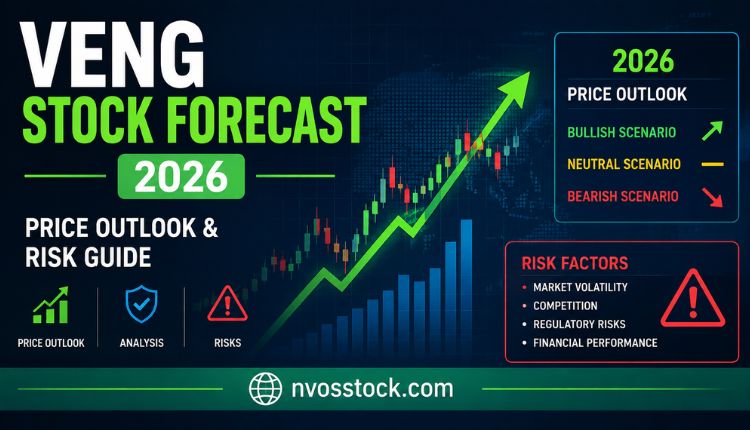
Type “VENG stock forecast” into Google and you’ll get a pile of conflicting numbers: one site says the stock is worth fractions of a cent, another shows triple-digit price targets for a completely different company using the same ticker. That mismatch alone tells you something important — VENG is a thinly traded, low-visibility stock, and most of the “forecasts” floating around are generated by algorithms with little connection to the company’s actual filings or fundamentals.
This guide breaks down what VENG stock actually is, what tends to move its price, why most automated forecasts for it should be treated with heavy skepticism, and how to pull real, current data before you make any decision.
What Is VENG Stock?
VENG is the ticker symbol tied to small energy-sector companies trading on the over-the-counter (OTC) market rather than a major exchange like the NYSE or Nasdaq. Stocks in this category share a few traits: low share prices (often under a penny to a few cents), thin daily trading volume, minimal or no analyst coverage, and a history of share dilution or reverse splits.
This matters because ticker symbols on OTC markets aren’t always permanent. Companies get delisted, merge, rebrand, or get replaced by a different issuer using the same letters. If you’re researching VENG, the first step isn’t a price target — it’s confirming which company you’re actually looking at and whether the listing is still active, know more click here.
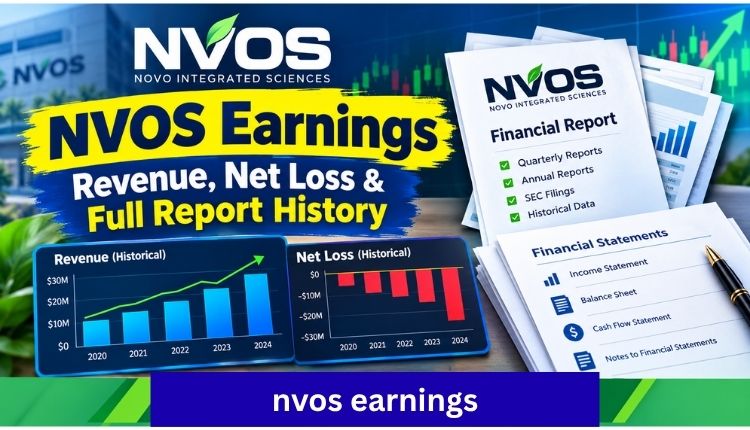
If you’re new to how thinly traded stocks like this behave, it’s worth comparing notes with coverage of similar small-cap names, such as this breakdown of NVOS stock and Novo Integrated Sciences, which walks through the same kind of volatility and low-float dynamics.
VENG Stock Snapshot
| Metric | Detail |
| Ticker | VENG |
| Market type | OTC / micro-cap |
| Sector | Energy / renewable utilities |
| Typical share price | Sub-penny to low single-digit cents |
| Market capitalization | Very small (micro-cap to nano-cap range) |
| Analyst coverage | Little to none |
| Dividend | None |
| Liquidity | Low daily trading volume |
| Key risk factor | Dilution, delisting risk, low transparency |
Treat these figures as a general profile of the stock’s category rather than a live quote — prices on stocks like this can move sharply in a single session, so always pull a real-time quote before acting.
Factors That Could Move VENG Stock
A handful of forces tend to drive price action in stocks like VENG far more than broad market sentiment does:
- Share dilution: Micro-cap companies frequently raise cash by issuing new shares, which pushes the price of existing shares down.
- Reverse splits: A reverse split can be used to meet exchange listing requirements, and it resets the share count and price in a way that skews any historical chart.
- Regulatory filings: An 8-K, delisting notice, or going-concern warning in an SEC filing can move the stock more than any earnings report.
- Sector sentiment: Since VENG sits in the energy space, broader swings in oil, gas, or renewable policy can spill over into speculative trading.
- Low float trading: With so few shares changing hands daily, a handful of large orders can swing the price disproportionately compared to a large-cap stock.
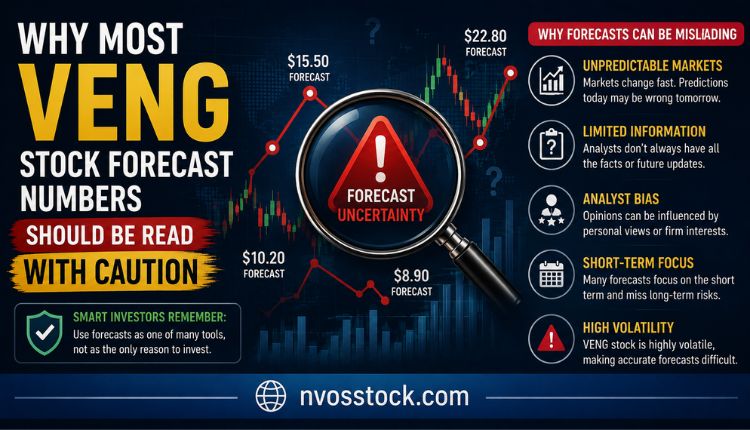
Why Most “VENG Stock Forecast” Numbers Should Be Read with Caution
A lot of the price prediction pages you’ll find for VENG are built by automated models that project a chart forward using historical price patterns alone, with no input from company fundamentals, cash position, or filings. For a widely covered stock like Apple or Microsoft, that kind of technical model has more data to work with. For a micro-cap with almost no trading volume and no analyst coverage, the same model is essentially extrapolating noise.
That’s why you’ll often see wildly different numbers for VENG depending on which site you check — some showing the stock staying near zero, others projecting gains that don’t line up with any real catalyst. None of these should be treated as a reliable prediction of where the stock is headed. If you want a forecast you can actually trust, the company’s own SEC filings and OTC Markets disclosures are a far better starting point than any algorithmic price target.
How to Check VENG’s Current Price and Filings
Before making any decision on VENG, verify the basics directly from primary sources rather than relying on aggregator sites:
- OTC Markets – confirms the current tier, trading status, and whether the listing is active or has been flagged.
- SEC EDGAR – search the company name to review its most recent 10-Q, 10-K, or 8-K filings.
- Your brokerage’s live quote – aggregator sites can lag or show stale prices for thinly traded stocks; your broker’s real-time feed is more reliable.
- Company investor relations page – if one exists, it’s the most direct source for news on financing, partnerships, or restructuring.
For a sense of how to work through this kind of verification process on another small-cap ticker, the NVOS stock analysis covers a similar step-by-step approach to separating real company data from recycled aggregator content.
Is VENG Stock a Good Investment? Key Risks to Weigh
Micro-cap and OTC stocks like VENG can occasionally produce sharp short-term gains, but the risk profile is very different from a large, established company:
- Capital risk: These stocks can lose most or all of their value, sometimes quickly.
- Information gaps: Limited analyst coverage means you’re often working with less reliable information than you would have for a larger listed company.
- Liquidity risk: Low trading volume can make it hard to exit a position at the price you expect.
- Dilution risk: Ongoing share issuance can erode value even if the underlying business is stable.
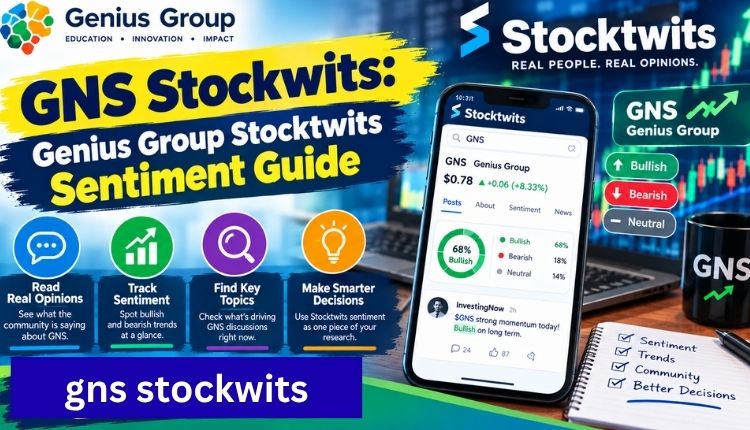
If you’re building out a watchlist of similar speculative small-caps, it can help to see how other thinly traded names have been covered — for example, sentiment tracking on TRKA stock or GNS stock follows a similar pattern of high volatility paired with limited institutional coverage.
This isn’t investment advice — it’s a framework for doing your own research. Given the risk profile, many investors treat stocks in this category as a small, clearly bounded position rather than a core holding, if they invest at all.
FAQs
What does the VENG ticker stand for?
VENG has been used as a ticker symbol by small energy-sector companies trading on OTC markets. Because OTC tickers can be reassigned or the underlying company can change through mergers or rebrands, always confirm the current company name and CIK number on SEC EDGAR before relying on any data tied to the symbol.
Is VENG stock a good buy in 2026?
There’s no reliable way to answer this with confidence. VENG has minimal analyst coverage, thin trading volume, and a history typical of micro-cap volatility. Anyone considering it should verify current filings and price data directly rather than relying on automated forecast sites.
Why is VENG stock price so low?
Low share prices in stocks like this are usually tied to a combination of a small market capitalization, repeated share issuance to raise cash, and limited investor demand due to low visibility and coverage.
Where can I trade VENG stock?
OTC stocks like VENG typically trade through brokers that support OTC Markets access. Not every brokerage offers this by default, so check with your provider and confirm the stock’s current listing status before placing an order.
Will VENG stock go up in 2026?
No forecast, automated or otherwise, can reliably answer this for a stock with this little coverage and liquidity. Price movement will likely depend on company-specific news, financing activity, and broader sentiment in the energy sector rather than any predictable trend.
Conclusion
VENG sits firmly in the high-risk, low-visibility corner of the market, and the flood of contradictory “forecasts” attached to its ticker is a symptom of exactly that. Rather than anchoring a decision to an algorithmic price target, the more useful exercise is verifying the current listing status, reading the latest filings, and sizing any position around how much volatility and potential loss you’re genuinely comfortable with.
If you’re tracking other speculative small-caps alongside VENG, browsing through related coverage on tickers like NVOS, TRKA, and GNS can help build a broader sense of how this category of stock tends to behave.