




Stocktwits EGIO: Edgio Stock Sentiment & Price Guide
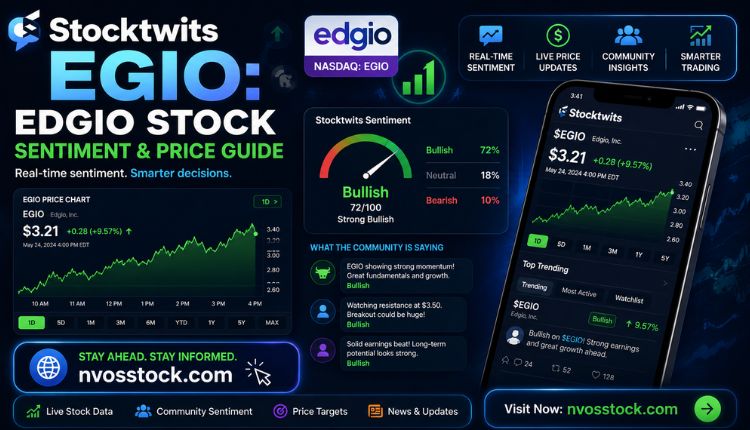
If you searched “stocktwits egio” hoping to gauge sentiment on Edgio Inc., you need one fact before anything else: the EGIO you remember from Nasdaq doesn’t trade the way it used to. Edgio filed for Chapter 11 bankruptcy in September 2024, got delisted, and the reorganization plan that took effect in mid-2025 wiped out the old common stock. So when you land on the Stocktwits EGIO page today, you’re reading chatter about a company mid-restructuring, not a normal growth stock.
That doesn’t mean the page is useless. It just means you have to read it with the right context. This guide walks through what happened to Edgio, what you’ll actually find on its Stocktwits stream, and how to avoid getting burned by old data or misread tickers.
Who Is Edgio, and Why Was It on Stocktwits in the First Place
Edgio, Inc. started life as Limelight Networks, a content delivery network (CDN) company that helped websites stream video, distribute software, and serve web pages faster. In 2022, Limelight rebranded to Edgio after buying Yahoo’s Edgecast business, folding in Layer0 along the way to build a broader “edge computing” platform. For a while, it competed in the same space as Akamai and Cloudflare.
Retail traders picked up on EGIO the way they pick up any beaten-down tech name: cheap share price, a recognizable niche, and enough volatility to generate a steady stream of Stocktwits posts. The company’s accounting troubles started in early 2023, when it announced it would restate financials over errors tied to its Open Edge product. That single disclosure set off a chain reaction — delayed SEC filings, a forced move from Nasdaq’s Global Select Market to the Capital Market, and a “fundamental change” trigger under its convertible notes that gave bondholders the right to demand repayment. None of that left much room to recover.
The Bankruptcy Timeline, in Plain English
Here’s the sequence that matters if you’re trying to make sense of any stocktwits egio thread you come across:
| Date | Event |
| March 2023 | Edgio discloses accounting errors, restates financials |
| October 2023 | Stock transferred from Nasdaq Global Select to Nasdaq Capital Market |
| September 9, 2024 | Voluntary Chapter 11 bankruptcy filed in Delaware |
| September 18, 2024 | Trading suspended on Nasdaq; shares moved to OTC/Pink markets |
| November 26, 2024 | Akamai’s winning bid for select customer contracts and patent rights approved |
| January 9, 2025 | Global settlement reached among Edgio, Lynrock Lake, and the creditors’ committee |
| June 13, 2025 | Bankruptcy court confirms the reorganization plan |
| June 30, 2025 | Plan becomes effective; old common equity cancelled; Lynrock Lake takes 100% ownership |
Once the plan went effective, existing shareholders’ equity was cancelled outright. Unsecured creditors were routed into a liquidating trust instead of getting paid directly, and the Uplynk streaming platform came out the other side as a standalone business owned by Lynrock Lake. For anyone who bought EGIO shares hoping for a turnaround story, that’s the ending: the old stock stopped representing ownership in anything, visit more,
What You’ll See on the Stocktwits EGIO Page Now
The Stocktwits EGIO symbol page still exists, and it still shows sentiment scores, message volume, and a live stream of posts. But a few things are worth knowing before you trust any of it:
- The ticker split into two identities: Post-delisting, the OTC-traded shares picked up the “Q” suffix common to companies in active bankruptcy (EGIOQ), signaling exactly what it means: proceed with extreme caution. Some data providers and Stocktwits threads still reference the old EGIO symbol out of habit, which makes the sentiment numbers easy to misread if you don’t check the date on each post.
- Message volume is thin and mostly reactive: Once a stock stops being a going concern in the traditional sense, day-to-day chatter tends to shrink to a handful of posts reacting to court filings or claims-process updates rather than earnings or product news.
- Price data is close to meaningless for valuation: Fractions-of-a-cent quotes on OTC paper reflect distressed, speculative trading, not a functioning market cap. Treat any “price target” discussion on the stream as pure speculation.
- Bankruptcy administration is still active: As of mid-2026, the Edgio Liquidating Trust and the reorganized entity are still working through claims objections, with deadlines extending into late 2026. That means fresh legal filings, not fundamentals, are what occasionally stir the Stocktwits feed.
If you’re using Stocktwits to gauge crowd sentiment before trading, EGIO is a case study in why sentiment tools work best on companies that are still, well, functioning as public companies.
How to Read Distressed-Stock Sentiment Without Getting Fooled

A few habits make Stocktwits genuinely useful even on a name as messy as EGIO:
- Check the timestamp on every post: Old bullish threads from 2023 or early 2024 still show up in search results and can look current if you’re not paying attention to dates.
- Cross-reference with SEC and court filings, not just crowd sentiment. Bankruptcy-related decisions move the “stock” far more than retail chatter does.
- Separate the ticker from the company: EGIO the Nasdaq stock and EGIOQ the OTC paper are not interchangeable, and neither represents the reorganized private company that emerged from Chapter 11.
- Watch message volume trends, not just sentiment score: A sentiment reading built on three posts a day tells you almost nothing about broader market conviction.
These same habits apply to any distressed or heavily shorted microcap you’re tracking on Stocktwits — worth keeping in mind if you also follow names like TRKA or GNS, which have gone through their own volatile stretches.
Lessons From the Edgio Collapse
Edgio’s fall is a fairly clean example of how a single accounting disclosure can snowball. A restatement delayed filings. Delayed filings triggered a forced exchange transfer. That transfer tripped a change-of-control clause in the convertible notes. Bondholders demanded repayment the company couldn’t make. Within about eighteen months, a Nasdaq-listed CDN provider went from restating a few numbers to filing for Chapter 11.
For traders who follow small and mid-cap tech names on Stocktwits, that chain is worth remembering. Sentiment and message volume can tell you what the crowd feels in the moment, but they rarely catch a covenant trigger buried in a bond indenture. If you’re screening tickers based on Stocktwits buzz alone, pairing that with actual filings — 8-Ks, 10-Qs, and court dockets where relevant — closes a real blind spot.
If your research regularly takes you through other volatile small-caps, you might find similar breakdowns useful for names like NVOS, CDIO, or TSLY, all of which carry their own version of the “the ticker isn’t the whole story” problem.
Stocktwits EGIO vs. EGIOQ: Quick Comparison
| EGIO (pre-bankruptcy, Nasdaq) | EGIOQ (post-delisting, OTC) | |
| Status | Delisted, equity cancelled June 30, 2025 | Distressed OTC paper tied to bankruptcy estate |
| Exchange | Formerly Nasdaq Capital Market | Pink/OTC markets |
| What it represents | Historical Edgio common stock | Residual claim status only; largely speculative |
| Stocktwits activity | Legacy posts, mostly inactive since 2024 | Low volume, reacts to court/claims news |
| Investment relevance | None — shares cancelled | High risk; not a proxy for the reorganized private company |
FAQs About Stocktwits EGIO
Is EGIO still a real stock I can buy?
The original Nasdaq-listed EGIO shares were cancelled when Edgio’s reorganization plan took effect on June 30, 2025. Any OTC paper still trading under a related symbol reflects the bankruptcy estate, not ownership in a functioning company, so treat it as highly speculative rather than an investable equity.
Why does Stocktwits still show a page for EGIO?
Stocktwits keeps ticker pages live even after a delisting or bankruptcy so historical discussion stays accessible. The page persists, but new activity is sparse and mostly tied to legal or claims-process updates rather than business performance.
What happened to Edgio’s actual business?
Akamai acquired select customer contracts and patent license rights through the bankruptcy sale process in late 2024. The remaining Uplynk streaming platform emerged from Chapter 11 as a standalone company owned by Lynrock Lake, Edgio’s former lender, once the plan became effective.
Can I still find sentiment or message volume data for EGIO?
Yes, Stocktwits and similar platforms still display sentiment scores and message counts for the symbol. Volume is thin compared to an active stock, and the data is far less predictive than it would be for a company with normal trading activity.
Is it worth tracking Stocktwits EGIO sentiment for trading decisions?
Not for the original equity, since it no longer exists in tradeable form. If you’re researching bankruptcy-related OTC paper generally, Stocktwits sentiment can supplement — but shouldn’t replace — a direct read of court filings and SEC disclosures.
Conclusion
Searching “stocktwits egio” today mostly surfaces the tail end of a bankruptcy story rather than live trading sentiment on a going concern. Edgio’s path from a Nasdaq-listed CDN provider to a company whose equity was cancelled in Chapter 11 happened in under two years, triggered by an accounting restatement that most retail traders never saw coming.
The Stocktwits page still exists, and still updates, but the smart move is to treat it as a historical record and a thin stream of bankruptcy-news reactions, not a live pulse on a functioning stock. If you’re tracking other small-cap or distressed tickers with the same kind of noisy sentiment data, it’s worth applying the same checklist here: confirm the ticker’s actual status, cross-check against filings, and don’t let old bullish chatter pass for current information.